Material Research
Waste-Based Composites
Five distinct material compositions transform organic waste into beautiful, carbon-sequestering architectural components. Each formulation has been rigorously tested for durability and performance.
Interactive Explorer
Material Compositions
Drag the wheel or click on a tile to explore each material composition and its unique properties.
Drag to rotate
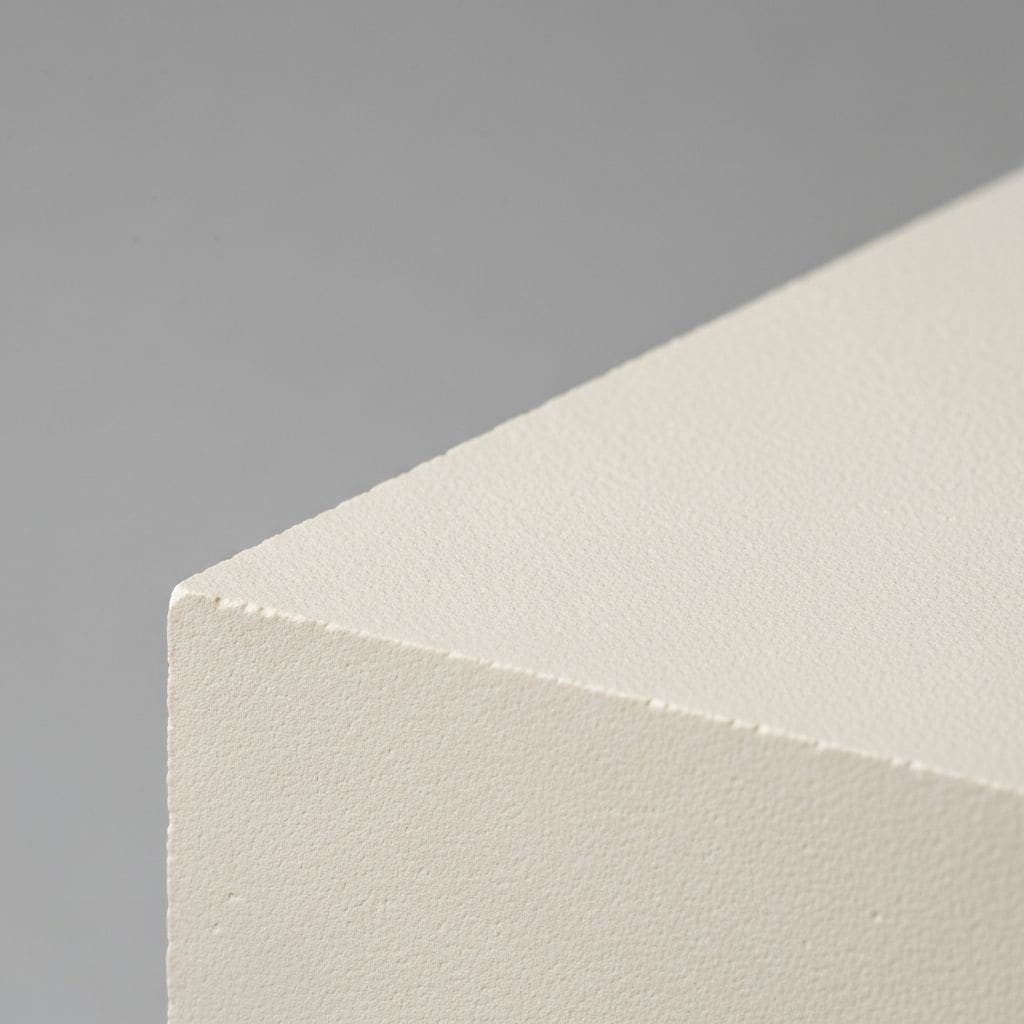
Industrial byproduct
Sustainable Binding Agent
A sustainable, industrial by-product binding agent. Binding agents were rigorously trialled, tested and compared. Infact, through the carefully curated composition of the SoftCycle materials in the final stages, testing showed that the lower embodied carbon (and carbon sequestering) materials and tiles performed better that even less sustainable binding agent options like synthetic-natural hybrid composite alternatives.
Carbon Sequestration
kg CO2e/kg
Process
Environmental Impact
Embodied Carbon Comparison
Our sustainable binding agent has dramatically lower embodied carbon compared to conventional architectural materials.
48x
Lower carbon than epoxy resin
10x
Lower carbon than synthetic-natural hybrid composite
Net Negative
With waste additives sequestering carbon
Quality Assurance
Material Testing
Each composition undergoes rigorous testing to ensure durability, safety, and performance in architectural applications.
Flame Resistance
Self-extinguishingMaterial does not sustain flame when ignition source removed
Water Porosity
Resistant (with beeswax)Beeswax coating provides effective moisture barrier
Drill Test
Moderate strengthAdequate structural integrity for decorative applications
Needle Test
Surface hardness verifiedConsistent density throughout material thickness
See how these materials are made
Follow the journey from waste collection to finished architectural components.
View Process